
Building a New Alumni Platform for Penn
Breaking Down Data Silos with Unstructured Data Ingestion

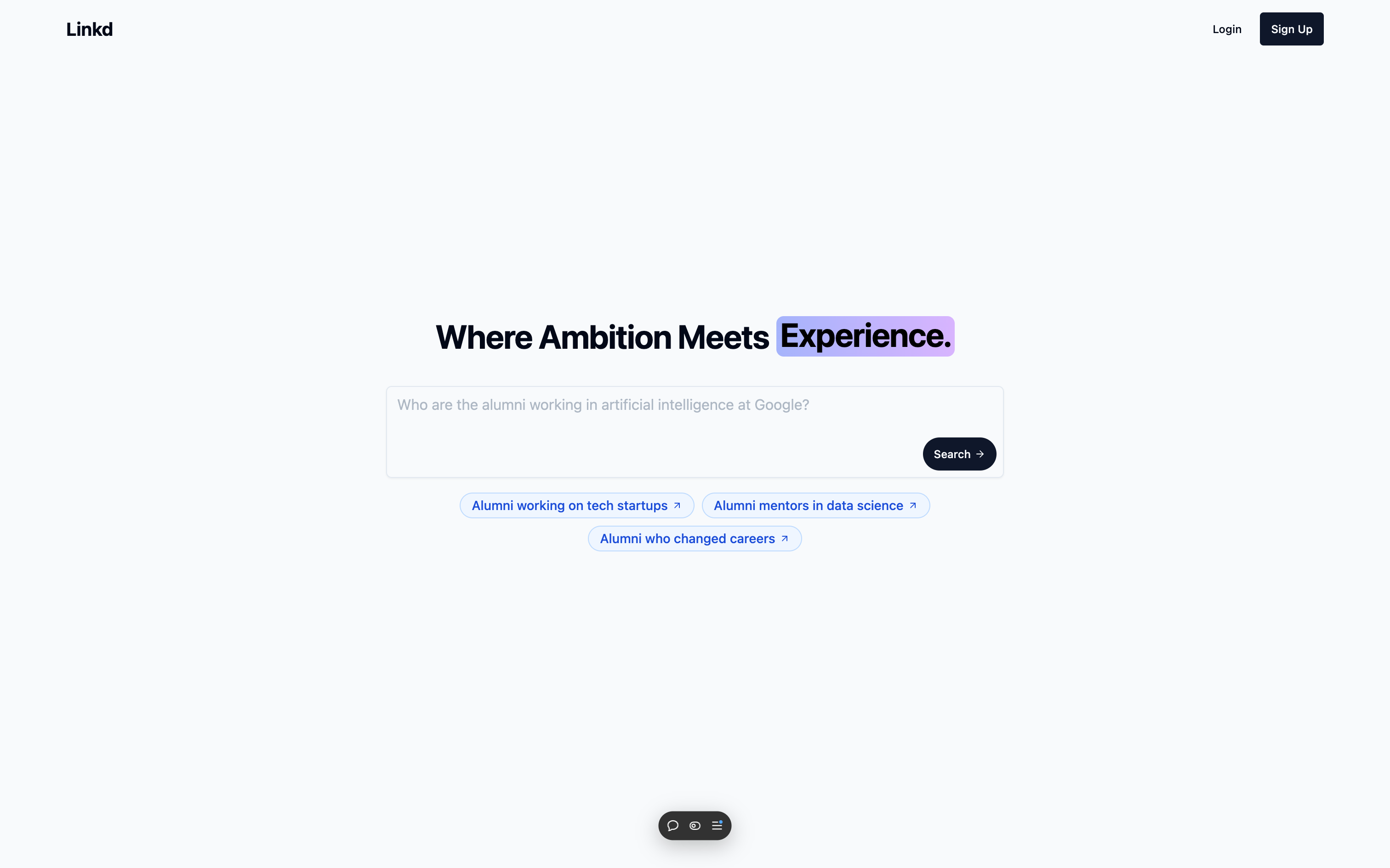
UPenn students heavily rely on alumni networking for career advancement, with alumni connections often being the decisive factor in securing early internships. This advantage is particularly valuable because Penn alumni are known for their willingness to mentor current students, creating a powerful network effect that can significantly impact early career trajectories.
Current Solutions:
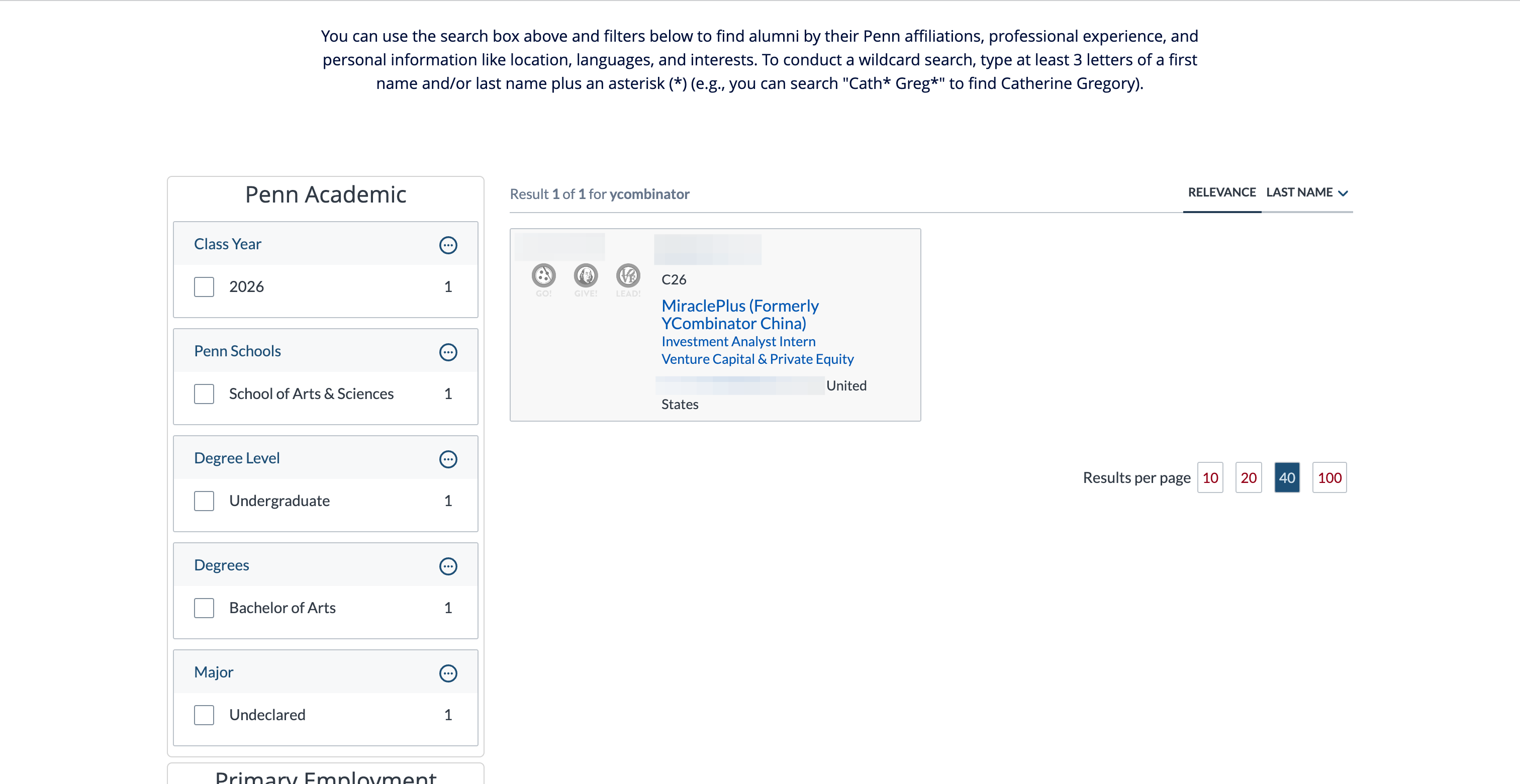
Students primarily rely on two networking platforms: MyPenn (UPenn's proprietary alumni network) and LinkedIn. MyPenn suffers from data staleness—alumni rarely update their profiles after graduation, leading to outdated or incomplete information. While it excels at finding traditional career paths like investment banking or consulting, it struggles with emerging fields and non-traditional careers.
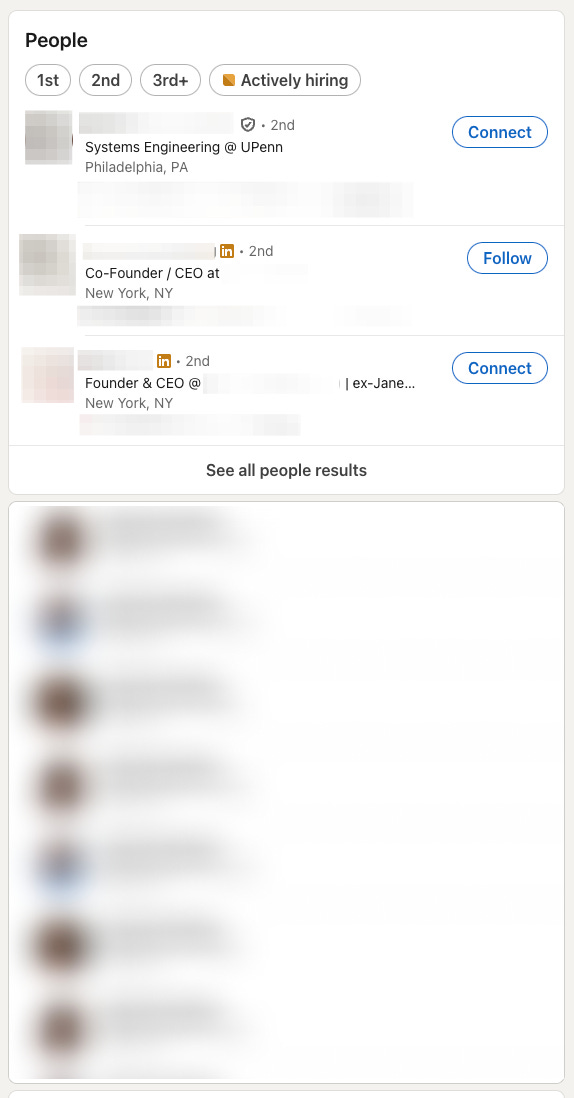
LinkedIn, despite its vast network, presents different challenges. Its monetization strategy restricts visibility of useful profiles, and its broad user base dilutes search relevance for UPenn-specific networking. For example, searching for "YCombinator alumni from Penn" yields only three visible results, with most profiles hidden behind premium paywalls.
Linkd:
Our solution uses vector database technology to create a more intuitive and powerful search experience. Traditional databases store information in rigid categories—think of a spreadsheet with fixed columns for job title, company, and graduation year. Our platform converts each alumni profile into a multidimensional representation that captures the nuanced relationships between different aspects of their careers and backgrounds.
When students search, their natural language query ("Which alumni are working on sustainable energy startups?") is transformed into the same type of multidimensional representation. The system then finds alumni profiles that are mathematically similar to what the student is looking for, rather than just matching exact keywords or filters. This approach can understand context and meaning, delivering more relevant results than traditional boolean search.
Linkd also simplifies alumni experience. Instead of filling out tedious forms, alumni can simply connect their LinkedIn profiles. Our system automatically extracts and processes their professional information into these rich representations. Better yet, we can periodically refresh this data every 12 months to ensure profiles stay current without requiring any manual updates from alumni.
*Note: Only 120 profiles have been uploaded to Linkd, all available YCombinator alumni were fetched.
The results are powerful:
Students can search naturally, describing exactly what they're looking for.
The system understands context and nuance, finding relevant matches even when the exact keywords don't match.
Profiles stay fresh through automated updates.
Alumni can contribute with minimal effort.
This creates a self-sustaining ecosystem where both students and alumni benefit from participating.
The Future:
Unstructured data collection extends far beyond alumni networking. Penn's decentralized nature has historically created data silos across departments, making information discovery challenging. The platform can easily expand to integrate other valuable data sources:
Academic Resources:
Professors could connect their Google Scholar profiles, instantly creating a searchable database of research expertise and publications. This would transform how students find research opportunities and academic mentors, replacing the current inefficient process of manually searching department directories.
Course Planning:
By allowing seniors to share anonymized course histories, freshmen could gain insight into real academic paths. Students could discover how others balanced challenging course combinations, managed dual degrees, or integrated study abroad programs. A sample user query could look like “Someone who double majored in biology and economics but also did an abroad semester.”
Amazing read! Should build a people search engine one day